
News & Insights · Residential · Insight
Can I Add a Battery and Keep NEM 2.0?
 By Ernie Delgado
· · 3 min read
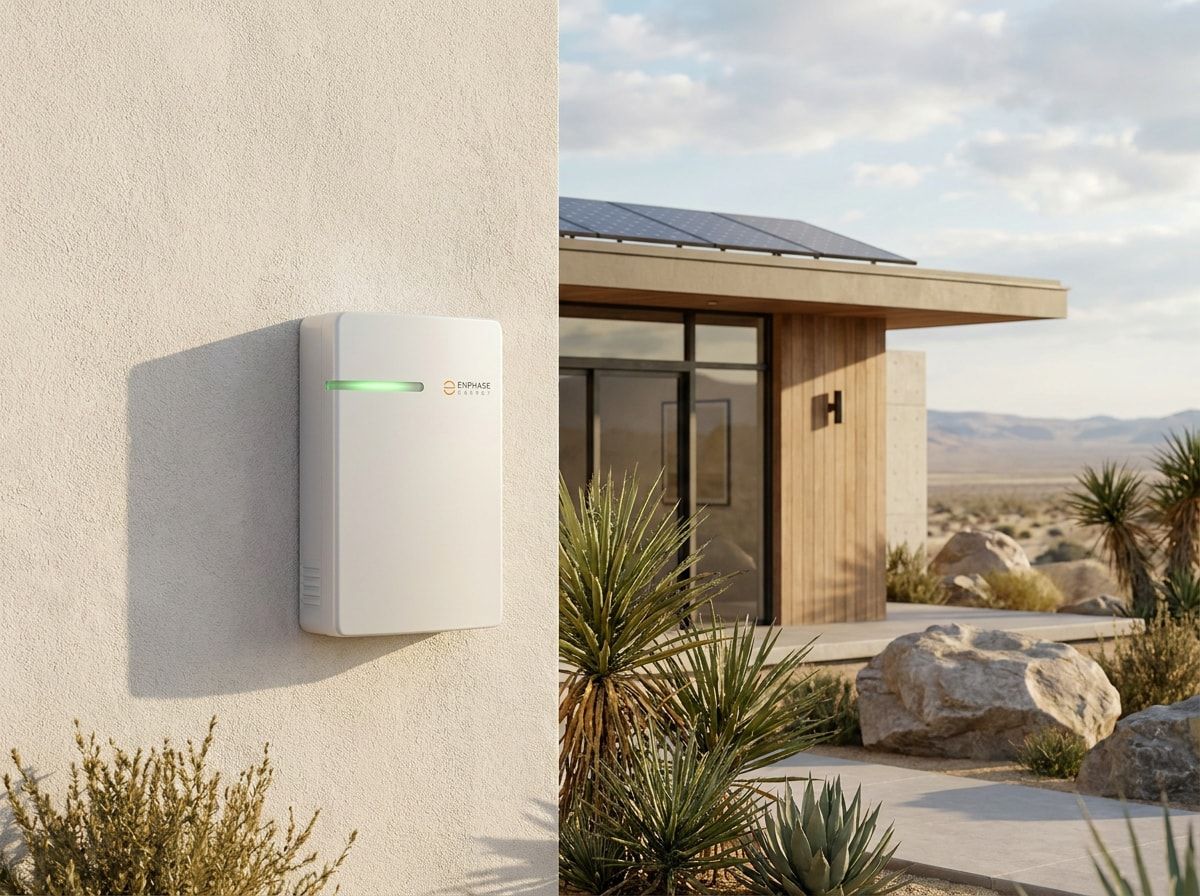
If you went solar in California before the state’s net metering rules changed in 2023, you are probably on NEM 2.0, and you have likely heard that you should protect it. So when a neighbor adds a battery, the first question is natural: can I add one without losing my NEM 2.0 agreement?
The short answer: generally, yes. Adding a battery generally keeps your NEM 2.0 agreement in place, as long as the change stays within your utility’s rules for system modifications.
Why NEM 2.0 Is Worth Protecting
Under California’s newer Net Billing Tariff, often called NEM 3.0, solar sent to the grid earns far less than it used to, about 75% less on average. Homes still on NEM 2.0 keep the more favorable export credits from their original agreement. That is why most NEM 2.0 homeowners want any upgrade to leave their agreement untouched.
What a Battery Does for a NEM 2.0 Home
Because your export credits are already favorable, a battery on a NEM 2.0 home is mostly about two things:
- Backup power. When the grid goes down, a battery keeps the circuits you choose running, such as the refrigerator, lights, internet, and outlets.
- Using your own solar in the evening. California’s peak rates run from 4 to 9 p.m. A battery stores midday solar so your home can run on it through those hours.
That is a different value story from a NEM 3.0 home, where a battery is central to the savings. Be wary of anyone who promises a NEM 2.0 home the same bill savings a NEM 3.0 home would see.
What Can Put Your NEM 2.0 Agreement at Risk
The change that matters most is your solar capacity. Adding a battery is usually treated as a modification your utility reviews, but significantly expanding your solar system can move you to the current tariff. Before you sign anything:
- Confirm your current tariff. Your utility bill or online account shows whether you are on NEM 2.0.
- Keep solar changes within your utility’s limits. If a proposal also adds panels, ask exactly how much and whether it stays within those limits.
- Make sure the battery is permitted and interconnected properly. Your utility has to approve the modification, and the battery has to be configured the way its rules require.
- Get it in writing. Ask the installer to confirm, in the proposal, that the design is intended to keep your NEM 2.0 agreement.
A Note on Incentives
The federal tax credit for solar and batteries that homeowners buy themselves ended after 2025. Leased and PPA systems can still qualify for a credit of up to 40%, claimed by the system owner, when placed in service by December 31, 2027. Your tax advisor can tell you what applies to you.
How Solar Advantage Helps
We sit down with you, review your NEM agreement and your bills, and determine the battery solution that will give you the best savings without putting NEM 2.0 at risk. We work with several licensed installation partners, so we can match you with the right one, and that partner designs, permits, and installs it. We meet by appointment, on your schedule.
If you already have solar and want backup power without putting NEM 2.0 at risk, start with a quote and check the box that says you already have solar.
Sources
- California Net Billing Tariff average export value, reported by Solar Builder
- California Public Utilities Commission, time-of-use rates
- Federal credit for leased and PPA home solar, summarized by Bluetti
This article is general information, not legal, tax, or financial advice. Each project is unique, and all information is subject to change based on project requirements.