
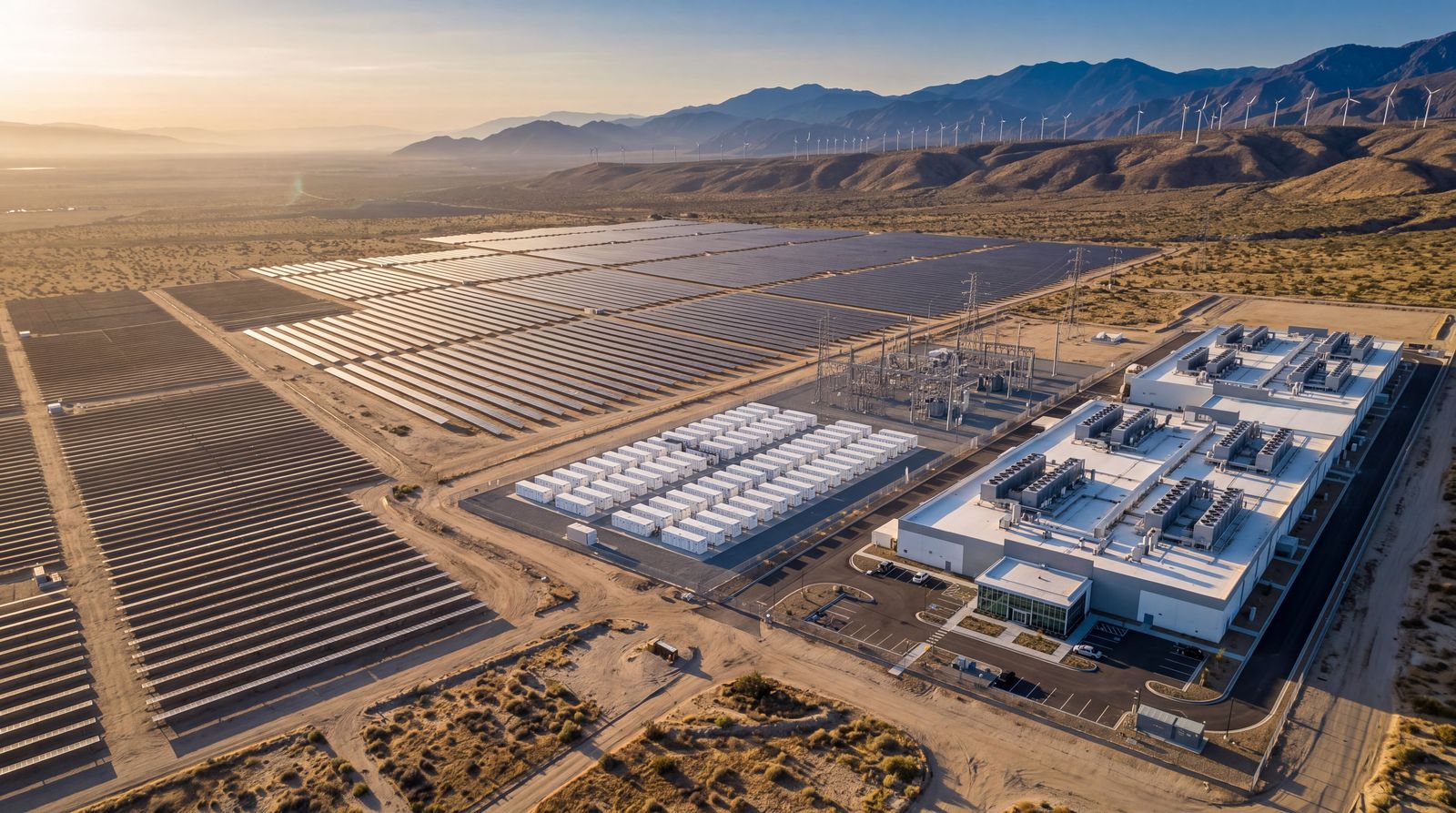
Utility scale and data center
Generation and Firm Power for Utilities and Large Loads
We uncover where new power is needed and what it will take to deliver it, then bring together the developers, engineering and construction firms, and capital that build it.
2 to 3x
U.S. data center power demand by 2028
Source: U.S. DOE / Berkeley Lab, 2024 Data Center Energy Usage Report5+ years
median wait to connect a new project to the grid
Source: Berkeley Lab, Queued Up: 2026 Edition13%
of grid connection requests ever get built
Source: Berkeley Lab, Queued Up: 2026 Edition
Capture and origination
We Start by Identifying the Energy Need
Before anyone else is involved, we work out who needs power, how much, at what hours, and what it costs them today. That answer shapes the opportunity: what should be built, how big, and how it connects.
What We Look At
- Load: how much power, at what hours, and how fast it will grow
- Cost: what the owner pays today and where that is heading
- Reliability: uptime targets and what an outage costs
- Interconnection: available grid capacity and a realistic path to connect
- Resource: which mix of solar, storage, wind, hydro, geothermal, thermal, and green hydrogen fits
- Incentives and financing: credits, direct pay, and offtake options
Two Kinds of Large Projects
Who buys the power changes the rules, the contracts, and the financing, so we sort this out first.
Front of the meter
Power Sold to the Grid
Generation and storage that sell power to a utility or into the wholesale market, under a power purchase agreement or a utility procurement. These projects follow the utility’s interconnection process and market rules.
Behind the meter
Power for One Large User
Generation and storage built for a single large user, such as a data center, manufacturing plant, or campus, on site or connected by private wire. Often called commercial and industrial (C&I), these projects run from a few megawatts to 100 MW or more and are sized to that user’s load and uptime target.
Seven Ways to Power a Project
Matched to the load, the site, and the resource. Most large projects combine more than one.
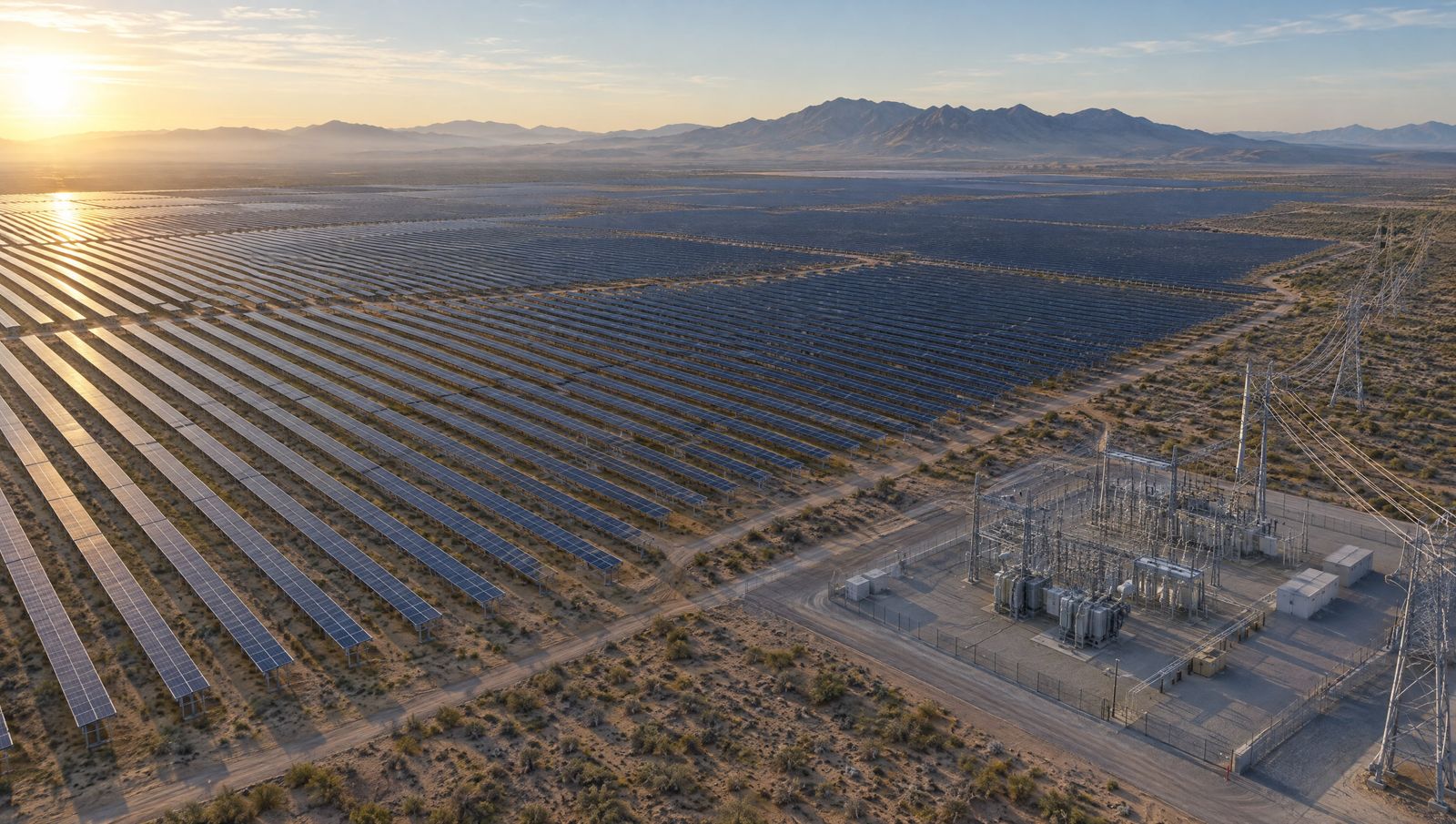
Utility Solar
Low-cost daytime energy
Single-axis tracker arrays matched to the load and the interconnection.
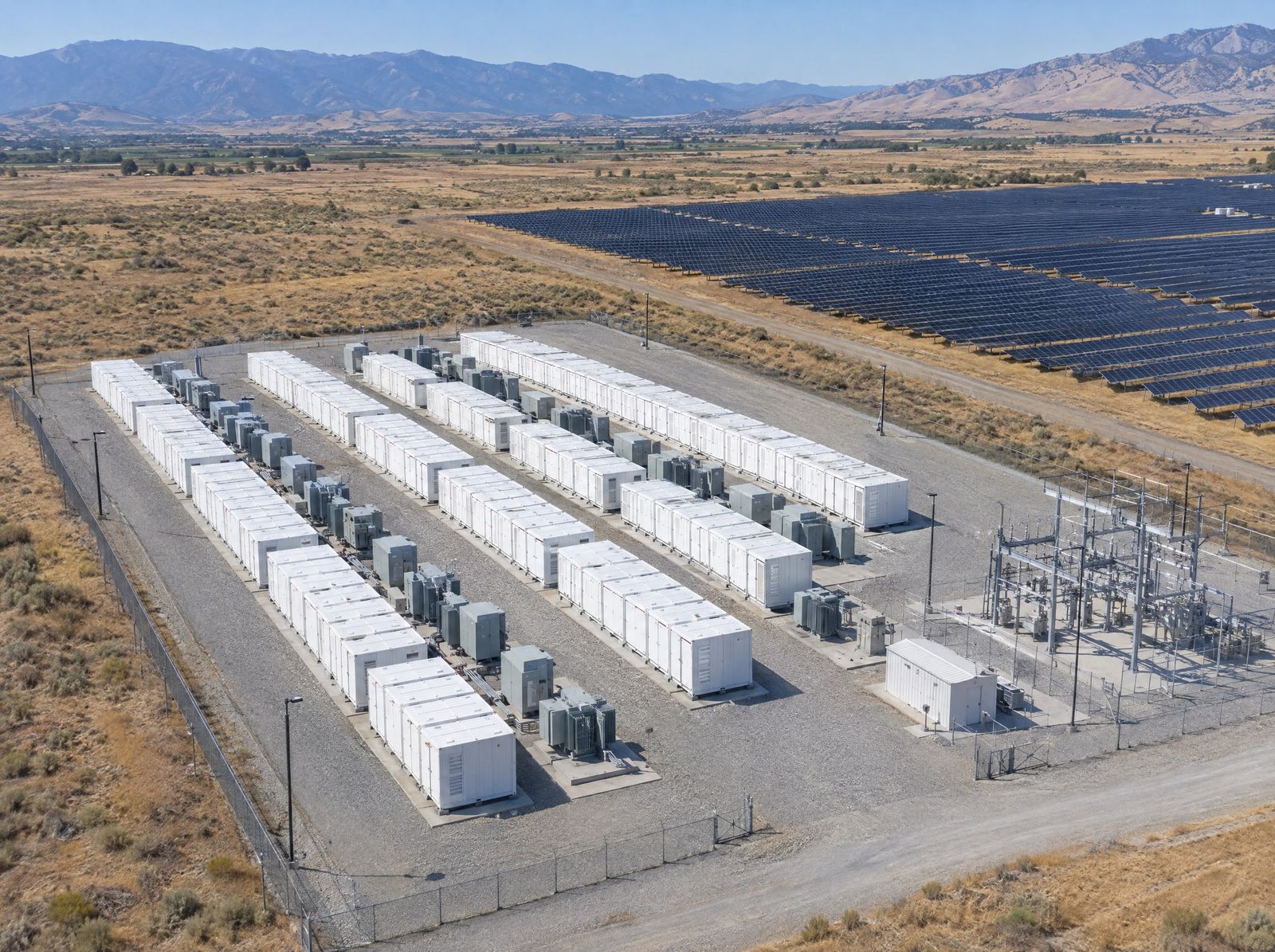
Battery Storage
Shifting and firm capacity
Moves solar into the evening peak and provides capacity when it is needed.
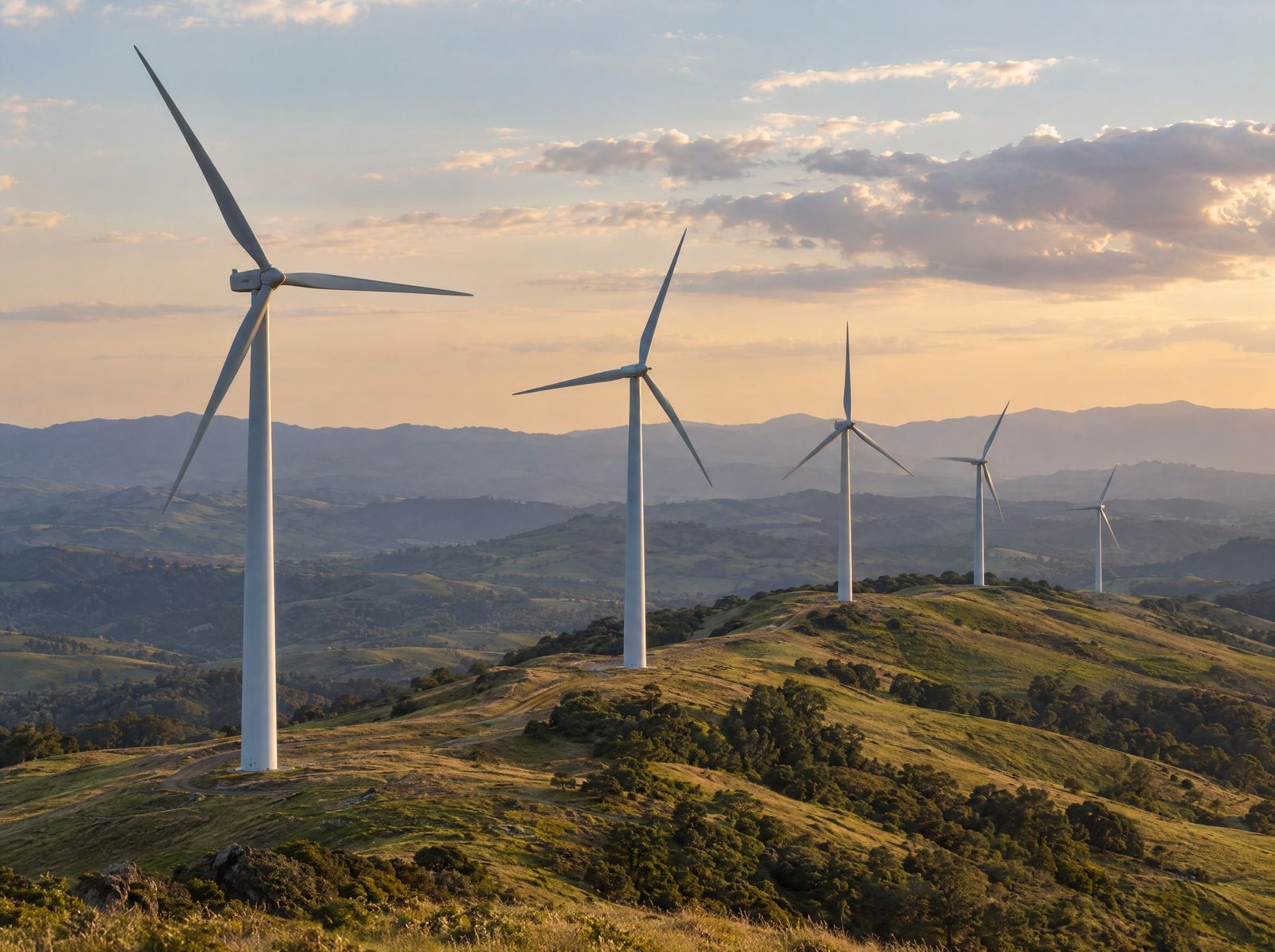
Wind
Output when solar is down
Pairs with solar to widen the hours a project delivers power.
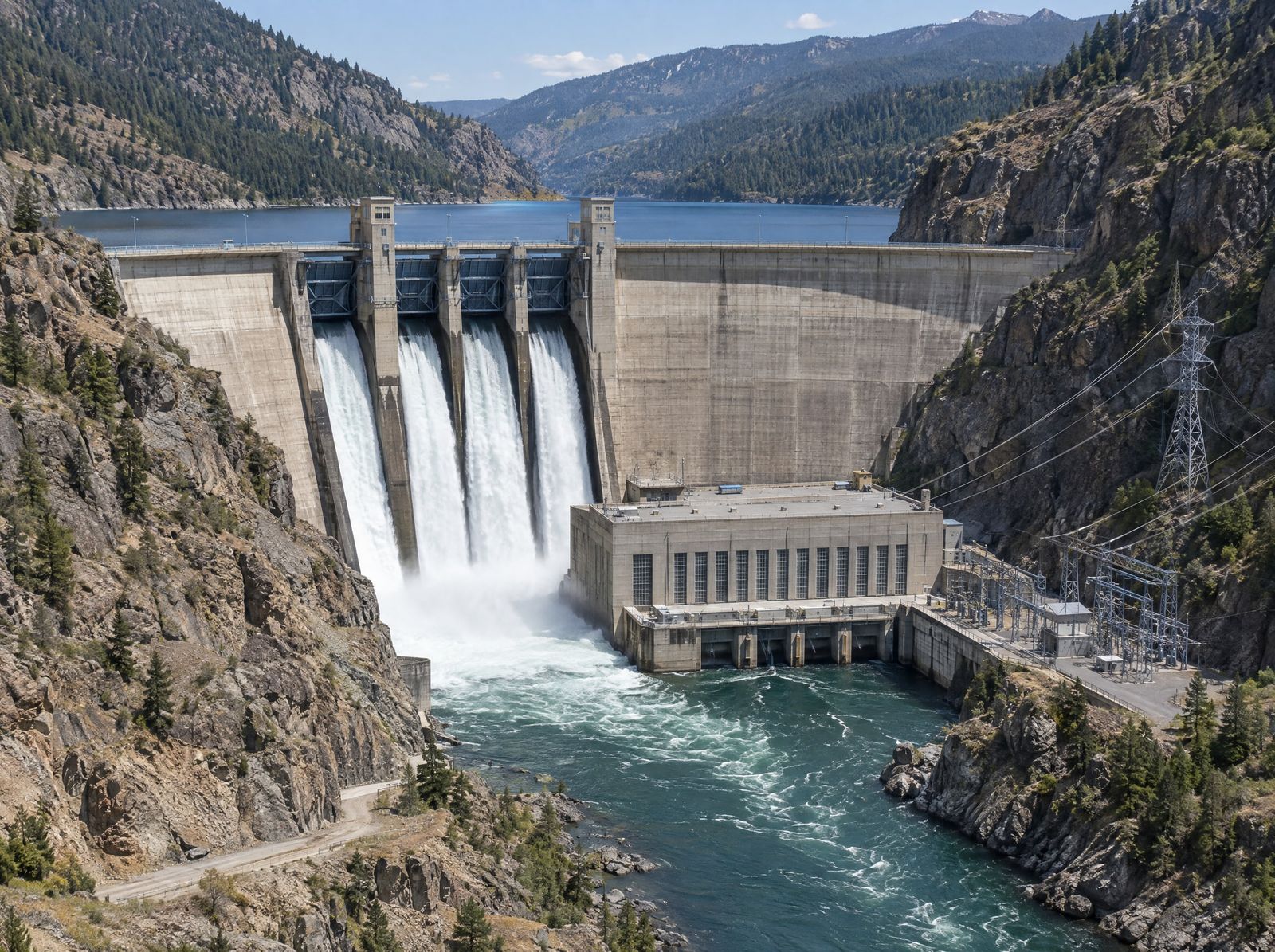
Hydro
Steady, flexible generation
New generation at existing dams, which can follow demand, and run-of-river projects.
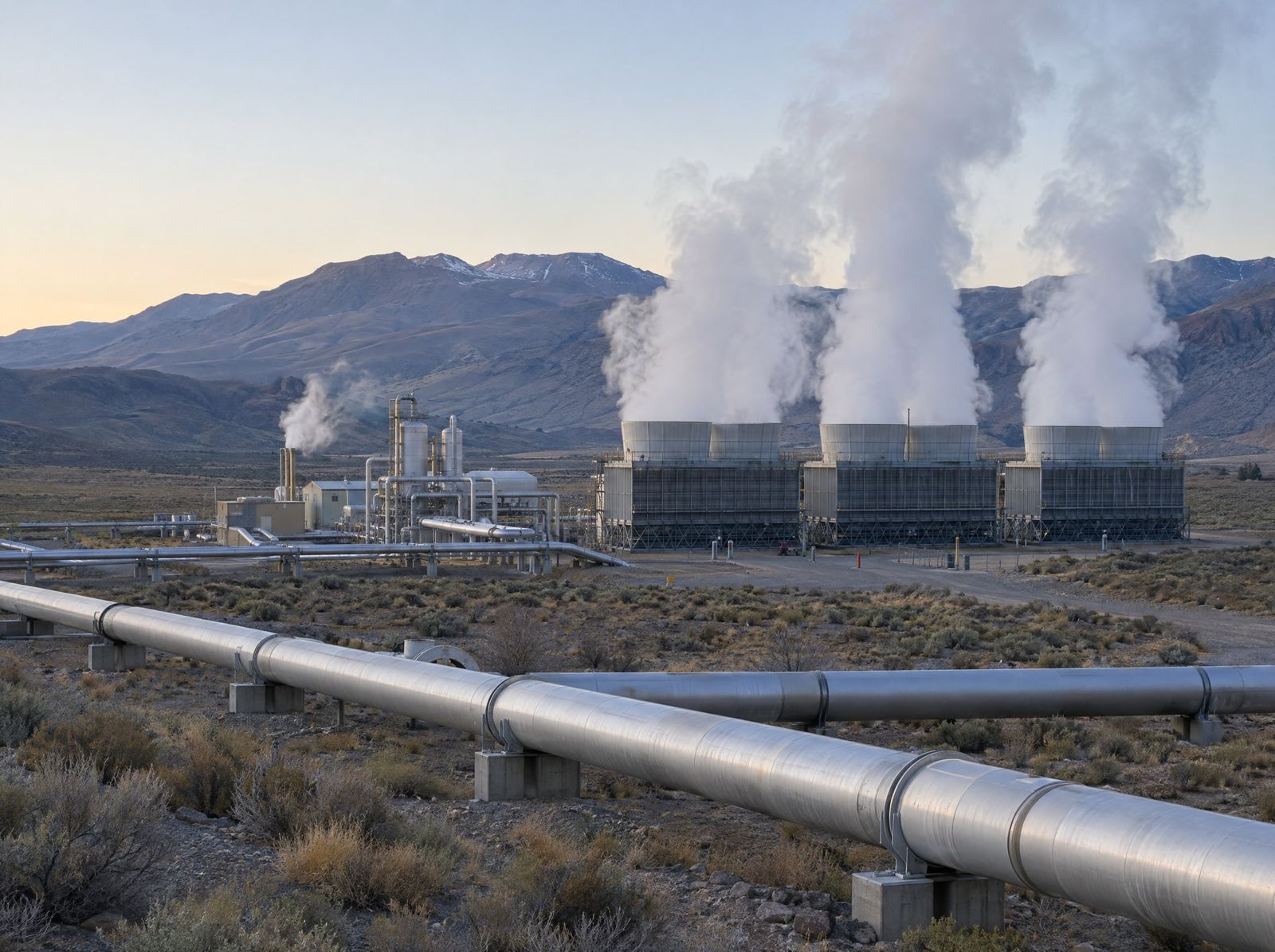
Geothermal
Around-the-clock baseload
Steady output from heat below ground, independent of weather.
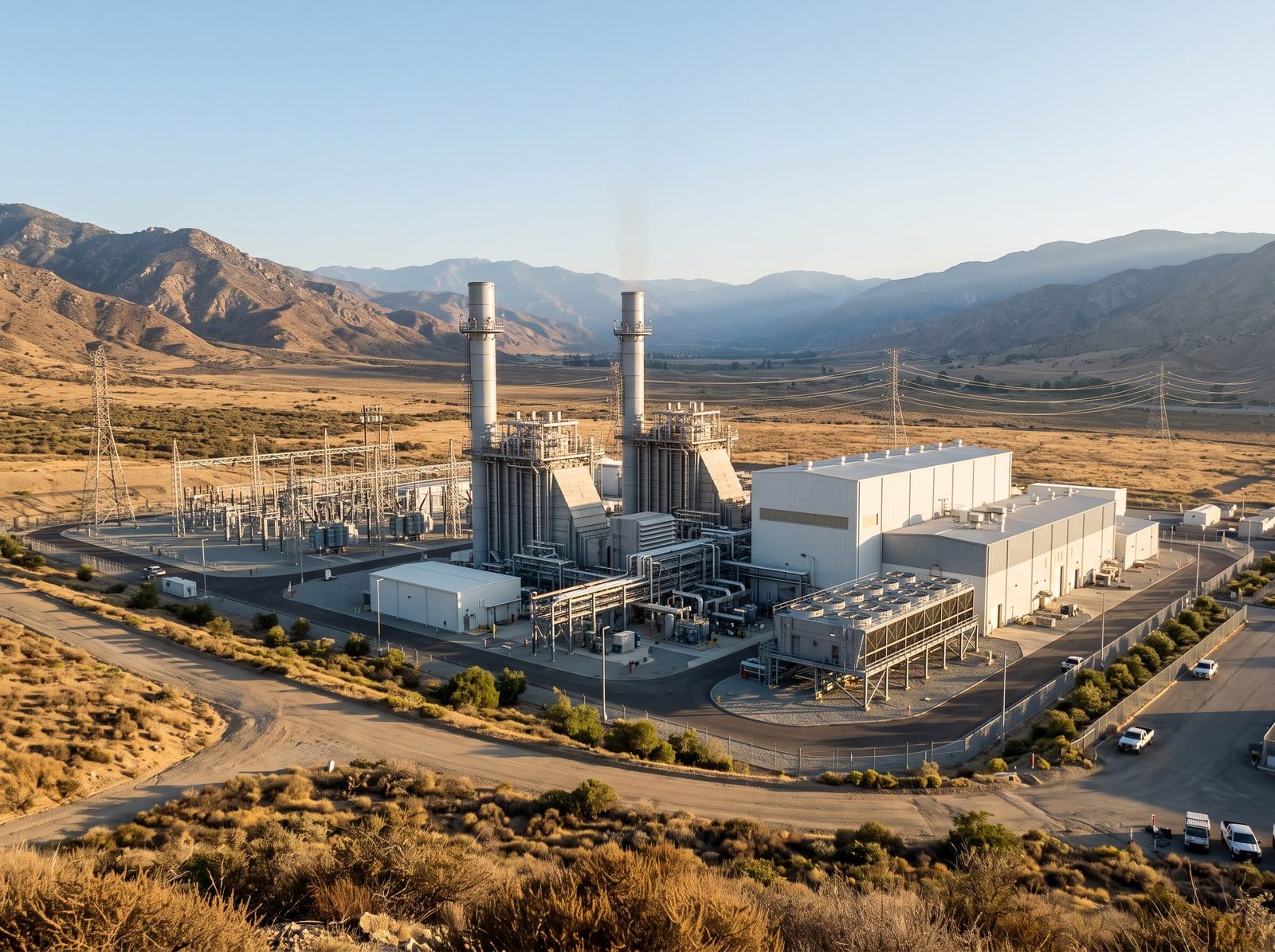
Thermal
Firm, dispatchable power
Fuel-based generation that can run at any hour, matched to the fuel available at the site and sized to the load and the uptime target.
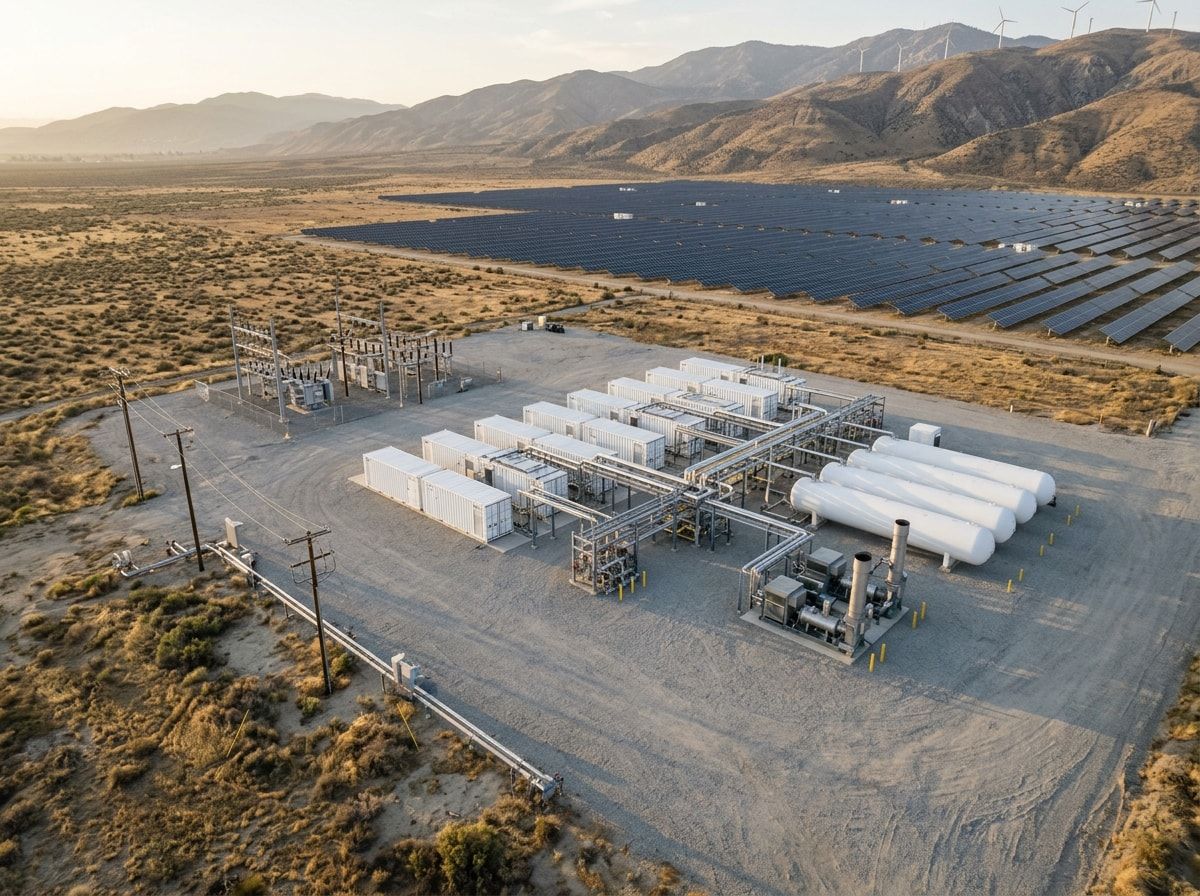
Green Hydrogen
Long-duration storage and clean fuel
Hydrogen made from renewable power by electrolysis, stored for firm power or supplied to industry.
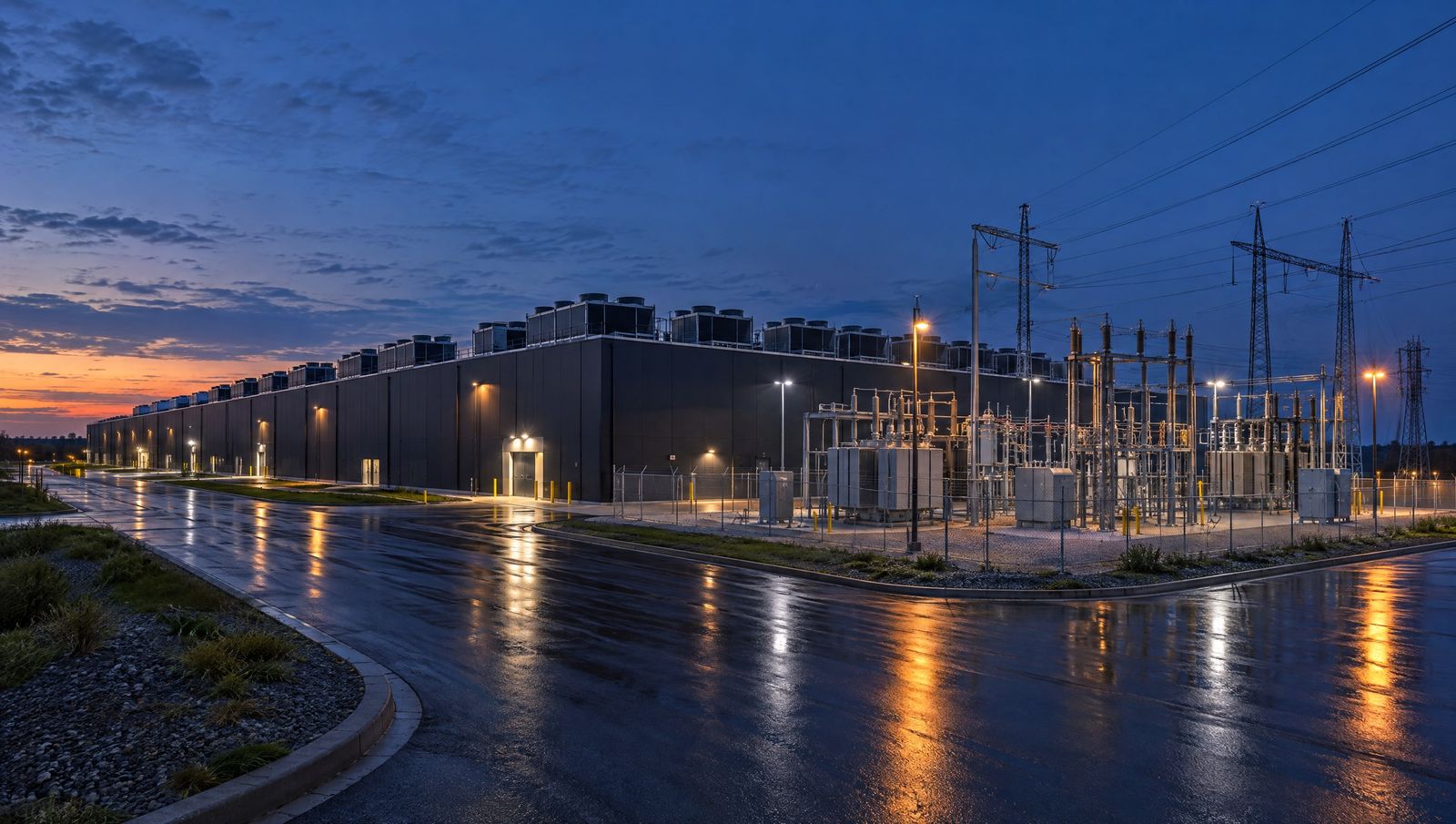
Data centers
Power Planning for High-Load Facilities
In many markets, new campuses wait years for grid capacity. We shape the behind-the-meter generation, storage, and firm power plan around the facility’s load and uptime target, and bring in the partners who deliver it, so power is not the reason a project stalls.
On-Site Generation
Solar and storage at the facility to cut grid draw and cover critical loads.
Near-Site Generation and Storage
Larger projects close to the campus, connected by private wire or the local grid.
Firm Power Planning
Solar and wind paired with storage, plus firm sources such as geothermal, hydro, or fuel-based thermal generation, sized to the uptime target.
How We Bring Projects Together
We capture the opportunity, then connect the developers, engineering firms, builders, and capital that deliver it.
One Point of Contact
One team on your side from the first energy assessment through contract signing, staying involved while partners build and commission the project.
International EPC Network
Engineering and construction by partner firms in the United States, Canada, and India.
Gateway to Indian Engineering
India’s engineering and power-sector capability for projects in the United States, South America, and around the globe.
Financing and Investment Partners
Project financing arranged with investment firms, lenders, and tax equity partners: power purchase agreements, tax credit transfers, and elective direct pay for public and tribal owners.
Frequently Asked Questions
Common questions from utilities, developers, and data center teams.
What does Solar Advantage do on a utility-scale or data center project?
We handle capture: we find where new power is needed and what it will take to deliver it, shape the opportunity, and bring together the developers, engineering and construction firms, and capital that build it. You have one point of contact from the first energy assessment through contract signing, and we stay involved while partners build and commission the project.
What is the difference between front-of-the-meter and behind-the-meter projects?
Front-of-the-meter projects sell power to a utility or into the wholesale market and follow the utility’s interconnection process and market rules. Behind-the-meter projects serve one large user, such as a data center, manufacturing plant, or campus, on site or by private wire, and are sized to that user’s load. The rules, contracts, and financing differ, so we sort this out first.
Where does a project start?
With the energy need: who needs power, how much, at what hours, what it costs them today, and how it can connect to the grid. Identifying that need first shapes the solution: what should be built, where, and how it connects.
What information do you need to get started?
The site location, the load you need to serve (an estimate in megawatts is fine), your timeline, any uptime target, and how far the project has come: whether a site, a load estimate, an offtaker or tenant, or financing is in place. Starting early is fine. The project form on this page asks for these.
Grid connections take years. How can a data center get power sooner?
The median wait to connect a new project to the grid is now more than five years (Berkeley Lab). We look at on-site and near-site generation and storage, connected by private wire or the local grid, and plan firm power around the facility’s load and uptime target so power is not the reason a project stalls.
Which types of generation do you work with?
Solar, battery storage, wind, hydro, geothermal, thermal, and green hydrogen. Thermal means fuel-based generation that can run at any hour, matched to the fuel available at the site and often paired with solar, wind, and storage when a data center or large load needs around-the-clock power.
How are large projects financed?
We work with investment firms, lenders, and tax equity partners. Structures include power purchase agreements, tax credit transfers, and IRS elective direct pay for public and tribal owners.
Who designs, builds, and operates the project?
We identify the energy need and assemble the solution around it: developers, engineering and construction (EPC) firms in the United States, Canada, and India, and operators, each licensed for its part of the work. You keep one point of contact with us from the first energy assessment through contract signing, and we stay involved while partners build and commission the project.
Do you work on projects outside the United States?
Yes. Through our partner network and access to India’s engineering and power-sector capability, we support projects in the United States, South America, and around the globe.
Start a Project Conversation
Share the site, the load, and the timeline. An estimate is fine. We will tell you what we would look at first.
- Phone
- 866-800-8971
- Office
- 4195 Chino Hills Parkway, Suite 512
Chino Hills, California 91709